
This is one of the most common questions for first-time cruisers. Knowing what's covered helps you budget and avoid surprises.

What's Included in Your Fare:
Your stateroom accommodations.
Most food in the main dining rooms, the buffet, and casual eateries.
Non-alcoholic beverages (water(depending on the cruise line, some charge extra for bottled water), iced tea, some juices).
Onboard entertainment, including most live shows and comedy acts.
Use of pools, hot tubs, and the gym.
Transportation between ports (via the ship)
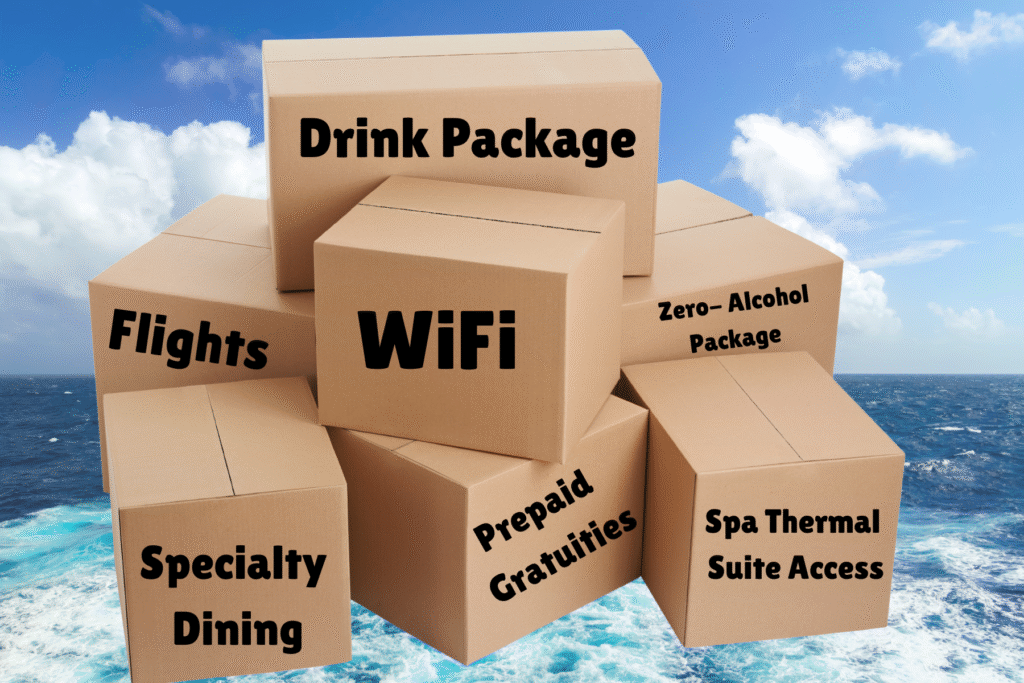
What's a Common Extra Cost:
Shore Excursions: Your Passport to Adventure
Your cruise fare covers the journey, but what you do in each port is entirely up to you! Shore excursions are your chance to experience the unique culture, history, and natural beauty of your destinations. They are always an additional cost, with prices varying widely based on the tour, so it’s wise to plan ahead.
Here’s a deeper look at what’s available and how to make the best choice for you:
Types of Excursions to Expect:
Cruise lines offer a huge range of excursions to suit every interest and activity level. You can generally categorize them as:
Active & Adventure: Perfect for thrill-seekers! These might include ziplining through a rainforest, kayaking through a scenic bay, hiking to a waterfall, or even a helicopter tour over a glacier.
Cultural & Historical: Dive into the heart of a destination with guided tours of ancient ruins, historical landmarks, or local museums. Some even include hands-on experiences like a cooking class or a dance lesson.
Relaxation & Beaches: If your goal is to simply unwind, these tours will take you to pristine beaches, private beach clubs, or give you access to a private cabana for a day of pure relaxation.
Water Sports & Wildlife: From snorkeling with stingrays and scuba diving in crystal-clear waters to whale watching and sailing adventures, these excursions get you up close and personal with the ocean’s wonders.
The Great Debate: Cruise Line vs. Independent Tours
As a first-timer, you’ll need to decide between booking through the cruise line or with a third-party, independent operator.
Booking Through the Cruise Line: This is often the safest and most convenient option. The number one benefit is the “ship will not leave without you” guarantee. If a tour is delayed, the ship will wait for the bus to return. These tours are also vetted by the cruise line, so you have an extra layer of assurance. The main downsides are often a higher cost and larger group sizes.
Booking Independently: For those who want more flexibility, smaller groups, and a potentially lower price, an independent operator is a great choice. You might get a more personalized, authentic experience. However, the biggest risk is that if you’re delayed, the ship will sail on time, and you’ll be responsible for catching up at the next port. It’s crucial to thoroughly research the operator and ensure they have a stellar reputation. There are several companies such as Viator and Shore Excursion Group, that guarantee the ship will not leave without you as well.
Essential Tips for Booking Your Excursions
Read the Fine Print: Don’t just look at the title! Read the full description to understand the activity level, what’s included (e.g., lunch, entrance fees), and how much time will be spent in transit versus at the destination.
Book Early: The most popular excursions, especially those with limited capacity, can sell out months in advance. Secure your spot by booking as early as possible.
Pace Yourself: Don’t feel pressured to book a full-day, high-energy excursion at every port. A cruise is a vacation, so mix in some relaxing half-day tours or simply exploring on your own to avoid burning out.
Don’t Be Afraid to DIY: Many ports are safe and easy to explore on your own. A quick search online can tell you if a port is walkable or if public transportation is a simple and inexpensive option to get to a nearby beach or attraction.

Gratuities: Understanding a Key Part of the Experience
Gratuities, also known as daily service charges, are one of the most common points of confusion for first-time cruisers. While they may seem like an extra cost, they are an essential part of the cruise experience and a standard practice across the industry.
What They Are and Why They Exist: Gratuities are service charges for the hard-working crew members who make your vacation special. This money is pooled and distributed among a vast number of crew members you interact with, such as your stateroom attendant and main dining room staff, as well as those working tirelessly behind the scenes in the laundry, kitchen, and other service areas. These charges form a significant portion of their income.
How They Are Calculated and Charged: Gratuities are typically a set amount charged per person, per day. The exact amount varies by cruise line and stateroom category, with guests in suites often paying a higher daily rate. You have two main options for handling them:
Automatic Daily Charge: This is the default. The gratuity amount for each day is automatically added to your onboard account. You’ll simply pay the total balance at the end of your cruise.
Pre-paid Gratuities: This is a popular and stress-free option. You can choose to pay the entire gratuity amount upfront when you pay your final cruise balance, often weeks before you sail. This allows you to think of them as part of your total cruise fare and avoids a large surprise charge at the end of your trip.
A Note on “Adjusting” Gratuities: The wording “you can adjust them” is technically true, but it comes with a strong recommendation. While cruise lines allow you to go to Guest Services to increase, decrease, or remove the gratuities, this is generally only done if you’ve received truly poor service. Reducing or removing them directly impacts the income of the crew, so it’s a decision that should be made with careful consideration.
Other Gratuity Considerations: The daily gratuities for your stateroom and dining staff are separate from other tips. Any purchase you make for a drink at a bar, a spa treatment, or a specialty dining reservation will have an additional gratuity (usually 18-20%) automatically added to the bill. This is another important distinction to keep in mind for your onboard budget.

Specialty Dining: A Culinary Adventure Beyond the Main Deck
While the food in the main dining rooms and buffets is plentiful and delicious, many cruise ships offer a wide array of extra-cost, upscale restaurants known as specialty dining. Think of these as a way to elevate your cruise experience and enjoy a special “date night” or celebration.
What to Expect: Specialty restaurants are smaller and more intimate than the main dining room, offering a quieter atmosphere and a unique culinary focus. Instead of a set rotation of dishes, you’ll find themed menus, often with higher-quality ingredients and a more personalized dining experience.
Common types of specialty restaurants include:
Steakhouses: Classic American steakhouses serving premium cuts of beef, often with a la carte side dishes.
Italian Trattorias: Authentic Italian cuisine with fresh pastas, pizzas, and fine wines.
Asian Fusion: Restaurants specializing in sushi, teppanyaki (where the chef cooks at your table), or other pan-Asian dishes.
French Bistros: A taste of Paris with classic French dishes in a charming setting.
Seafood Grills: Fresh fish, lobster, and other oceanic delights.
The Cost and How to Save: Specialty dining is typically priced in one of two ways: a fixed cover charge per person (usually ranging from $30-$50+) or à la carte pricing. Drinks are generally not included unless you have a beverage package.
Here’s how to make the most of it:
Book in Advance: The most popular restaurants and dining times fill up quickly, especially on sea days. It’s highly recommended to book your reservations online before your cruise to secure your spot.
Look for Packages: If you plan on trying more than one specialty restaurant, check for “dining packages” that offer a set number of meals for a discounted price.
Check for Discounts: Some cruise lines offer promotions for dining on the first night of the cruise when fewer people eat at the specialty restaurants.
Dress the Part: Specialty dining venues often have a stricter dress code than other parts of the ship. While a formal tuxedo isn’t usually required, men should expect to wear collared shirts and dress pants, and no shorts or flip-flops are permitted.
Whether it’s a special celebration or you simply want a change of pace, specialty dining is a fantastic way to add a unique and memorable culinary experience to your cruise vacation.
From Coffee to Cocktails: Your Guide to Cruise Ship Drinks
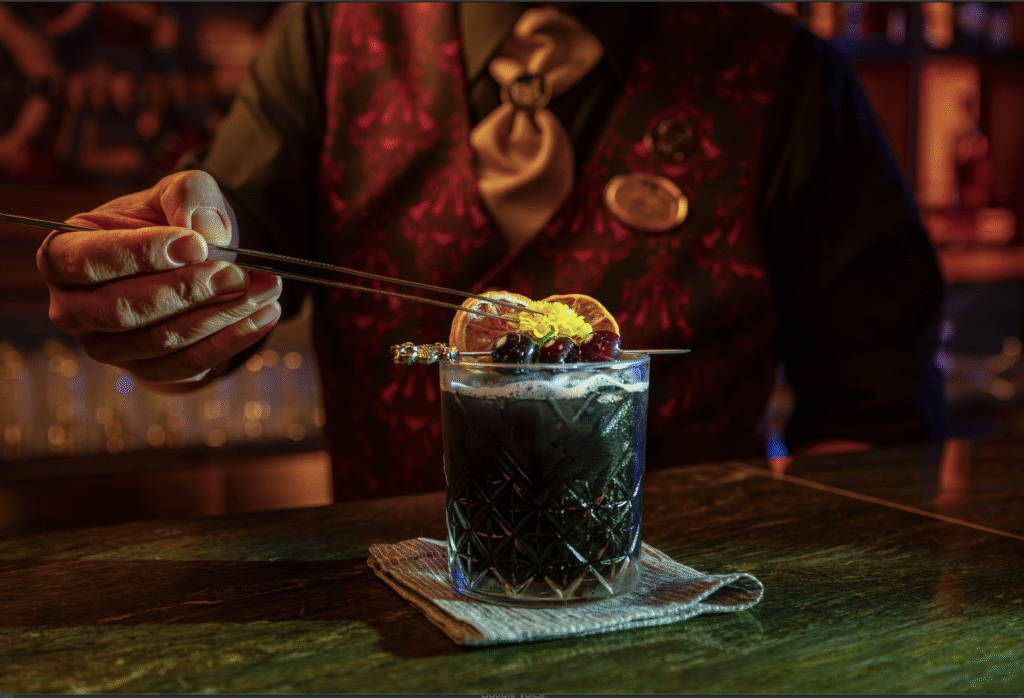
Drinks are a big topic on a cruise, and it’s easy to assume a “drink package” is only for those who plan on indulging in alcohol. But before you dismiss it, let’s take a closer look. While some drinks are always free—water, basic coffee, and tea—that gourmet latte in the morning, the fresh-squeezed juice with breakfast, or that beautiful mocktail by the pool? Those all come with an extra charge.
This is where the pre-purchased drink package becomes a game-changer, even for those who don’t drink alcohol. Depending on the cruise line, these packages often include a world of delicious, non-alcoholic options that would add up quickly. Think endless specialty coffees, from cappuccinos to lattes, refreshing bottled waters, tropical juices, and a menu of artfully crafted mocktails that look just as good as their alcoholic counterparts.
I’ve had countless clients tell me they regretted not getting the package when they saw a gorgeous, icy beverage that was too good to pass up—and a little later, another, and another. Suddenly, those “little extras” became a significant onboard bill. It’s not about how much you drink, but about the freedom to say “yes” to every delicious sip without a second thought. It’s a simple way to elevate your cruise experience and ensure that every drink, from your morning espresso to your evening mocktail, is a pure moment of indulgence.
Onboard Shopping: Your Floating Mall at Sea
Yes, your cruise ship is a floating resort, and that includes a fantastic selection of shopping options! While everything is charged to your onboard account (no cash accepted!) browsing the shops is a popular pastime, especially on sea days.
Here’s a breakdown of what you can expect to find:
The Gift Shop & General Merchandise: This is the heart of onboard retail. Here you’ll find all the essentials you might have forgotten: sunscreen, over-the-counter medication, toiletries, and snacks. This is also where you’ll find ship-branded souvenirs, t-shirts, postcards, and other mementos of your cruise.
Duty-Free Shops & Specialty Boutiques: This is the real draw for many shoppers! When the ship is in international waters, the onboard shops become “duty-free,” meaning items are sold without local taxes. You’ll often find a wide array of luxury goods, including high-end watches, fine jewelry, designer handbags, perfumes, cosmetics, and often a well-stocked liquor and tobacco shop. The savings here can be significant, but it’s always a good idea to know the prices of these items back home to ensure you’re getting a great deal.
Duty-Free at Sea: The Real Scoop on Shopping & Savings
You’ve likely heard the term “duty-free” and have visions of massive savings on luxury items and alcohol. The cruise ship shops are a fun place to browse, but understanding how duty-free really works can help you shop smarter.
What Exactly Does “Duty-Free” Mean?
Simply put, when the ship is sailing in international waters, the items sold onboard are exempt from certain local, state, and national taxes. This is why the shops are often closed while the ship is in port—they can only operate when tax rules don’t apply. This allows cruise lines to offer goods like jewelry, watches, perfumes, and liquor at potentially lower prices than you might find on land.
Is It Always a Great Deal?
Not necessarily! The “duty-free” label is a big draw, but a savvy shopper knows to do a little homework. While you’re not paying a sales tax, the final price can still be influenced by things like the brand’s pricing strategy or currency exchange rates.
The Best Deals: You’ll often find the most significant savings on high-tax items like liquor, tobacco, and high-end jewelry.
The Best Strategy: If you’re considering a big purchase, know the price of the item at your local stores beforehand. This will help you determine if the duty-free price is a genuine bargain. Don’t be afraid to compare prices between the ship’s shops and those you might see in port!
A Special Note on Alcohol & Other Goods
If you purchase alcohol or tobacco in the onboard duty-free shop, it will typically be held for you by the ship’s crew. You won’t be able to enjoy it in your stateroom; instead, your purchases will be delivered to you on the last night of the cruise. This ensures that the items are exported and not consumed until you’ve left the ship and passed through customs.
The All-Important Customs Declaration
This is the most critical part of duty-free shopping to understand. The fact that an item is “duty-free” where you buy it doesn’t mean it’s “duty-free” when you bring it back home.
Know Your Limits: Each country has specific limits on the value and quantity of goods you can bring back without paying an import duty. For example, U.S. residents returning from most countries have a personal exemption, and anything over that amount is subject to a flat duty rate. You also have specific limits on items like alcohol and cigarettes.
Be Honest: You are required to declare all purchases made during your trip, both on and off the ship, to customs. The cruise lines are legally required to report purchases to customs officials, so it’s always best to be truthful and have your receipts ready.
Shopping at sea can be a lot of fun, especially with the unique offerings and the special events like watch or jewelry sales. Just remember to shop smart, know your prices, and understand your country’s customs regulations to ensure your great deal stays a great deal all the way home!
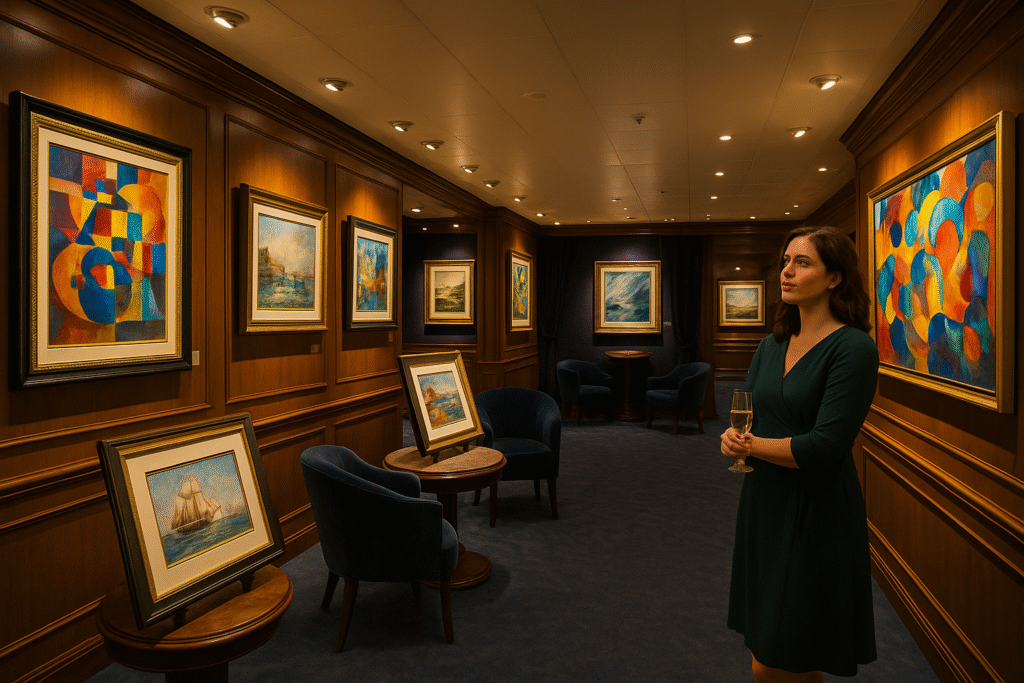
Art Galleries: Many cruise ships have a dedicated art gallery. You can spend hours Browse lithographs, original paintings, and sculptures from various artists. They often host lively art auctions with complimentary champagne—a fun and social event even if you don’t plan on buying anything!

The Photo Gallery:
The ship’s photographers are constantly snapping photos of you and your fellow cruisers, from embarkation day to formal nights and even on excursions. The photo gallery is where all these images are displayed for you to browse and purchase, a perfect way to capture memories from your trip.
Staying Connected at Sea: The Wi-Fi Situation
For many of us, the idea of being unplugged for a week is unthinkable. We want to share our photos, check in with family, or simply browse the web. So, what can you expect from Wi-Fi on a cruise ship?
First, it’s important to understand that the cruise ship internet is a different beast from what you’re used to at home. It’s powered by satellites, which means it’s typically slower, more expensive, and less reliable than land-based internet. However, speeds have improved dramatically in recent years with new technology.
Here’s what you need to know about getting online:
It’s an Extra Cost: Wi-Fi is rarely included in your base fare, and it’s almost always sold in packages.
Tiered Packages: Most cruise lines offer different levels of service to fit your needs. You might find a “Social” plan for messaging apps and social media, a “Value” plan for basic Browse and email, or a “Premium” plan that supports streaming movies and video calls.
Book in Advance for Savings: You can often save a significant amount of money by purchasing a Wi-Fi package online before your cruise, rather than waiting until you are on board.
Manage Your Expectations: Don’t expect to be able to stream high-definition movies or have flawless video calls 24/7. While it’s getting better, the internet can still be slow or spotty, especially in remote areas or during bad weather. Think of it as a way to stay in touch, not a replacement for your home internet.
Use the Ship’s App: A fantastic money-saving tip for first-timers is to utilize your cruise line’s free app. Many of these apps work on the ship’s internal network without purchasing a Wi-Fi package, allowing you to view daily schedules, make dinner reservations, and even chat with other people on your reservation.
While Wi-Fi is an important modern amenity, remember that a cruise can also be the perfect opportunity to disconnect, put your phone away, and simply enjoy the sea breeze!

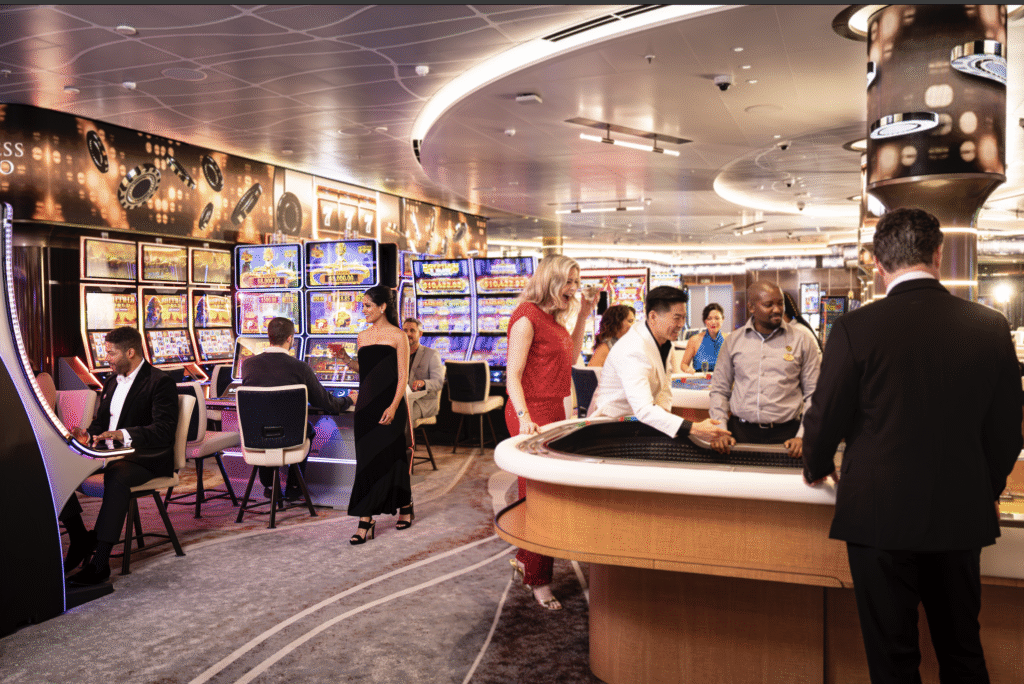
Casino Gaming: Trying Your Luck at Sea
For many cruisers, the casino is a lively part of the onboard nightlife. It’s a place to try your luck, socialize, and enjoy a different kind of entertainment. However, it’s important to remember that not all cruise ships have a casino, and they operate under a specific set of rules.
What You’ll Find Inside: On ships that have them, the casino floor is a smaller, more intimate version of a land-based casino. You’ll typically find:
Slot Machines: Ranging from classic reels to modern video slots, often with a wide variety of themes and denominations.
Table Games: Your classic favorites like Blackjack, Roulette, Craps, and various forms of poker are common.
Tournaments: Many ships host fun and competitive tournaments for games like poker and slots, which can be a great way to participate without breaking the bank.
When the Casino is Open: This is a key point for first-timers. The casino can only operate when the ship is sailing in international waters.
Closed in Port: The casino will be closed while the ship is docked in a port. This is to comply with local laws and regulations. You’ll typically find the casino doors locked or roped off until the ship has left port.
Open at Sea: Once the ship is a certain distance from land, the casino will open for business, often staying open late into the night. Check your daily planner for the specific hours of operation.
A Note on Cruise Lines Without Casinos: It’s worth knowing that not all cruise lines cater to gambling. Companies like Disney Cruise Line, Viking, and Azamara have chosen to forego a casino in favor of other entertainment or lounge spaces. If a casino is a dealbreaker for you (either a pro or a con!), be sure to check your chosen cruise line’s amenities before booking.
Cruiser’s Tip: Just like on land, it’s wise to set a budget before you go to the casino. All your wagers will be charged to your onboard account (though some tables may require cash), so it’s easy to lose track. It’s an optional extra, so have fun but play responsibly!
Spa Treatments: Your Sanctuary at Sea
While a cruise is an adventure, it’s also the perfect time to slow down, relax, and pamper yourself. The onboard spa is a luxurious sanctuary dedicated to just that. From massages to manicures, these treatments are not included in your fare, but they are a fantastic way to splurge and unwind.
What to Expect at the Spa & Salon: Cruise ship spas are often run by third-party providers, and they offer a wide range of services you’d expect to find on land, and sometimes even more.
Massages: Choose from classic Swedish, deep-tissue, hot stone, or even a romantic couples massage.
Facials: Treat your skin to a rejuvenating facial, with options ranging from hydrating to anti-aging treatments.
Salon Services: Get ready for a formal night with a new hairstyle, a fresh manicure, or a relaxing pedicure.
Body Treatments: Indulge in body wraps, scrubs, and other treatments designed to detoxify and soften your skin.
Other Services: Many larger spas also offer unique services like acupuncture, teeth whitening, or even medi-spa treatments.
Insider Tips for Booking & Saving: While spa treatments can be expensive, there are smart ways to get a great deal.
Book on Port Days: This is the best-kept secret of cruise spas! On days when most passengers are off the ship exploring, the spa is quieter and often offers significant discounts—sometimes up to 40% off—to fill appointments.
Look for Onboard Specials: Check your ship’s daily planner for special promotions and raffles, especially on the first day of your cruise.
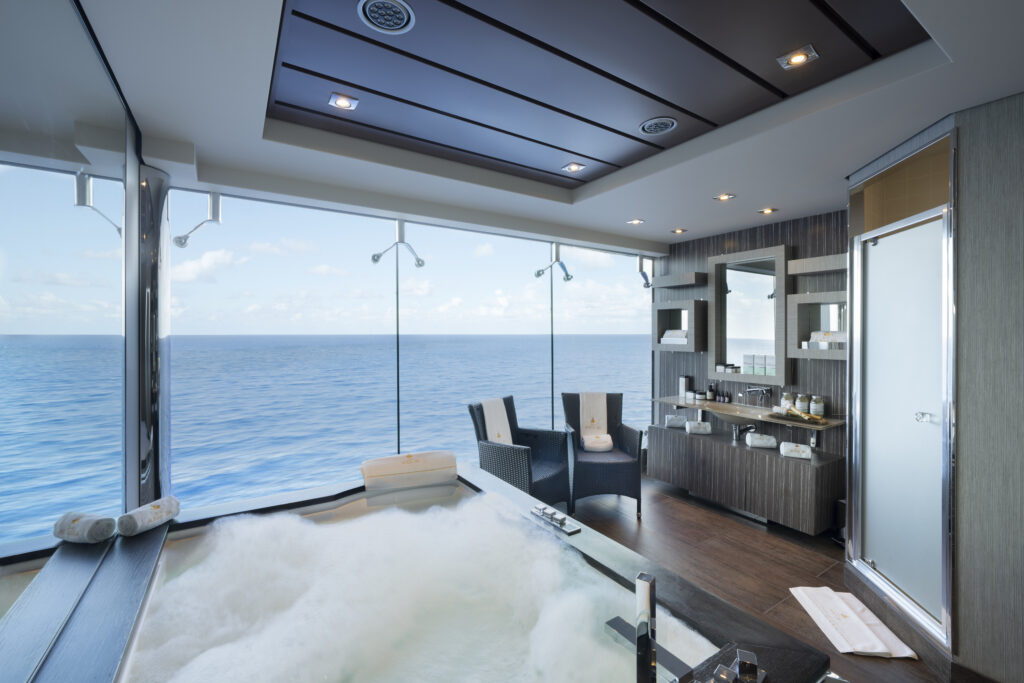
The Thermal Suite: Many newer and larger ships have an exclusive area known as a “thermal suite.” For a day or week pass (an extra charge), you can enjoy heated loungers, saunas, steam rooms, and therapeutic showers, offering a quiet escape from the rest of the ship.
Book in Advance (Sometimes): While port day deals are the best, if you have a very specific treatment or time in mind (like a massage for a special occasion or a hairstyle for formal night), it might be worth booking ahead to ensure availability.
A cruise is a time to indulge, and a treatment at the spa is a perfect way to do just that.
The Perks of Upgrading Your Stateroom
Upgrading your ocean cruise stateroom often transforms your entire vacation by providing significantly better positioning on the ship and enhanced accommodations, which can include luxurious touches like butler service and laundry at no extra charge. These higher-tier packages frequently bundle in VIP treatment, such as priority boarding and disembarking at ports, exclusive access to premium areas like dedicated spa thermal suites, private pools, and tranquil, less crowded spaces on the ship. Furthermore, suite guests and those in exclusive categories often gain entry to private restaurants, offering an elevated dining experience, along with so much more personalized service and amenity enhancements. For these reasons, it is always worth weighing the total value of the inclusive upgraded package against simply looking at the lowest base cost and then having to pay extra to add these perks on individually.

Princess Sanctuary on the Princess Sun
Pre-Cruise Prep: A First-Timer's Checklist
Check out another one of my blogs for more information about this topic. https://dawn2duskadventures.com/top-mistakes-first-time-cruisers-make-and-how-to-avoid-them/ however below is a snapshot of the post.
Arrive a Day Early: This is my number one tip for first-time cruisers! Flying in the day before your cruise starts eliminates all stress about flight delays or cancellations. It allows you to relax and start your vacation rested and on time.
Get Travel Insurance: As mentioned, this is a non-negotiable. Travel insurance protects you from trip cancellation, medical emergencies, lost baggage, and other unforeseen events. Don’t leave home without it.
Set up Your Onboard Cashless System: Upon boarding, you’ll use your ship ID card for all purchases. You’ll link a credit card to this account during online check-in or at the Guest Services desk.
Pack an Essentials Bag: Keep a small carry-on with your bathing suit, a change of clothes, and any medication. Your checked bags may take a few hours to arrive at your stateroom.