
Embarking on your first cruise is a thrilling experience, but it can also feel a bit overwhelming. The ships are massive, the options are endless, and there’s a whole new language to learn—from “port” and “starboard” to “all aboard!”
My goal with this guide is to answer the questions I wish I had known to ask on my first cruise. By being prepared, you can turn a good vacation into a truly unforgettable one. So, let’s get you from a rookie cruiser to a savvy traveler!
The Essential Conversation: Questions to Ask Your Travel Advisor
The most valuable tool you have in your cruise planning journey is a great travel advisor (that’s me!). We’re here to help you navigate all the choices and make sure you get the best value for your vacation. Here are some of the key questions to come prepared with:
“Which itinerary is the right fit for me?” Don’t just pick a destination! Let’s talk about what kind of experience you want. Are you a thrill-seeker who wants to zip-line and snorkel, or a culture hound who wants to explore historic towns and museums? This will help us find the perfect ship and ports of call for your interests.
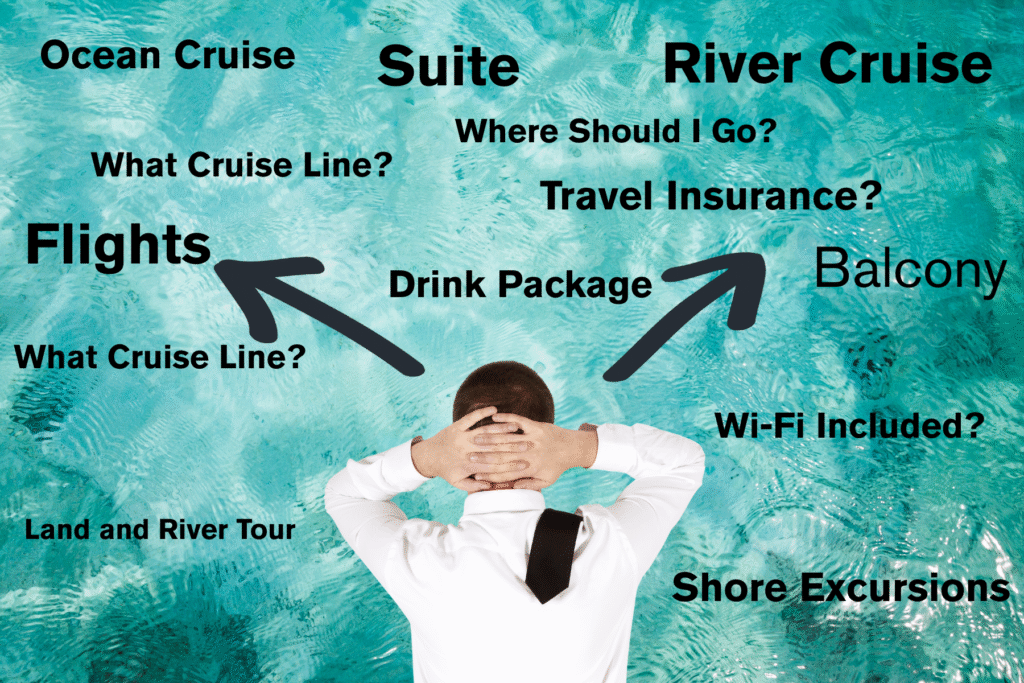
“What Kind of Ship Is Right for Me: Big, Small, or River?"
This is one of the most important questions you can ask, and it gets to the heart of what kind of vacation you’re looking for. Cruise ships aren’t “one size fits all.” They offer three very different experiences:
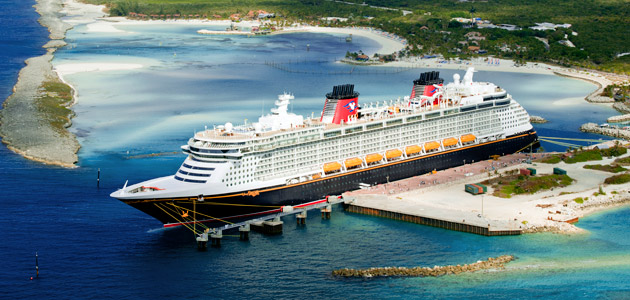
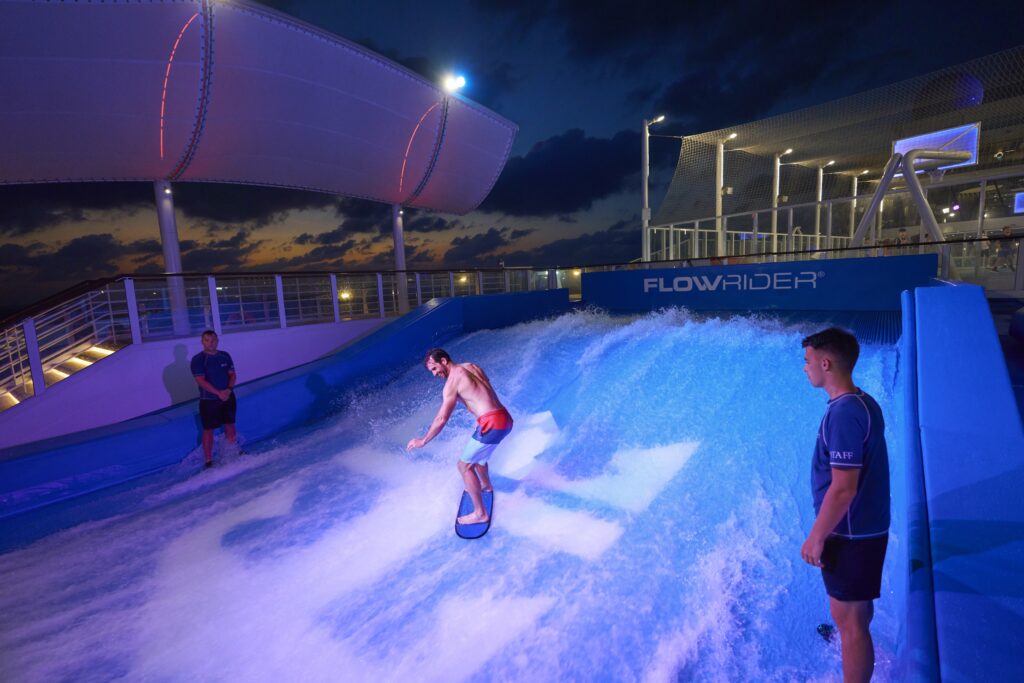
Big Ships (Floating Resorts): These are the mega-ships you see in commercials, with thousands of passengers. The ship itself is a destination, boasting endless amenities like water parks, go-kart tracks, Broadway-style shows, and dozens of dining options. If you love a bustling, high-energy environment with tons of choices, a big ship is a perfect fit.
And if you’re not into the high-energy, kid-filled atmosphere, don’t worry! Many cruise lines have ships without waterslides or go-kart tracks, naturally drawing fewer kids. Plus, most large ships have fantastic adults-only sections—from tranquil pools and private sun decks to serene lounges—giving you plenty of space to enjoy some uninterrupted peace and quiet.
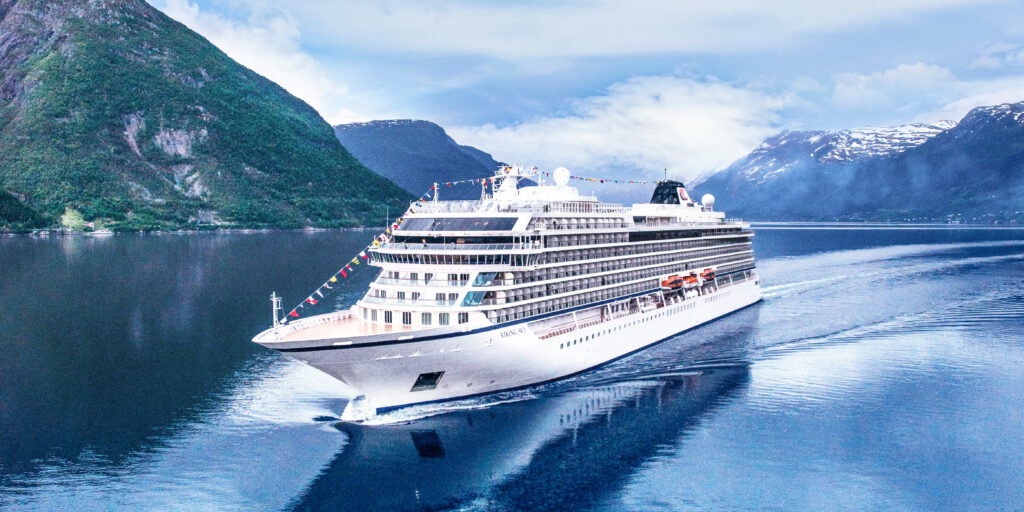
Luxury Small Ships (Intimate & Destination-Focused): With only a few hundred passengers or less, these ships offer a much more intimate, personalized experience. There are fewer crowds, shorter lines, and a higher staff-to-guest ratio, meaning you get incredible service. Because of their size, they can access smaller, more unique ports that the mega-ships can’t reach, and the focus is heavily on the destination, culture, cuisine, and traveler’s experience. If you value a quiet, sophisticated atmosphere and are looking for a deep, immersive travel experience, a small luxury ship is a great choice.
River Cruises (Unpack Once, See Everything): Imagine a floating boutique hotel that sails through the heart of a country. That’s a river cruise! These long, narrow ships carry an average of just 150 passengers and offer a much more relaxed, scenic journey. You’re never far from land, and they dock right in the center of historic towns and cities, so you can often step right off the ship and start exploring. River cruises are destination-intensive, and many excursions are included in the fare. They’re perfect if you prefer to visit a new port every day, do not like the thought of open-ocean sailing, and want to unpack once while seeing the very best of a region.
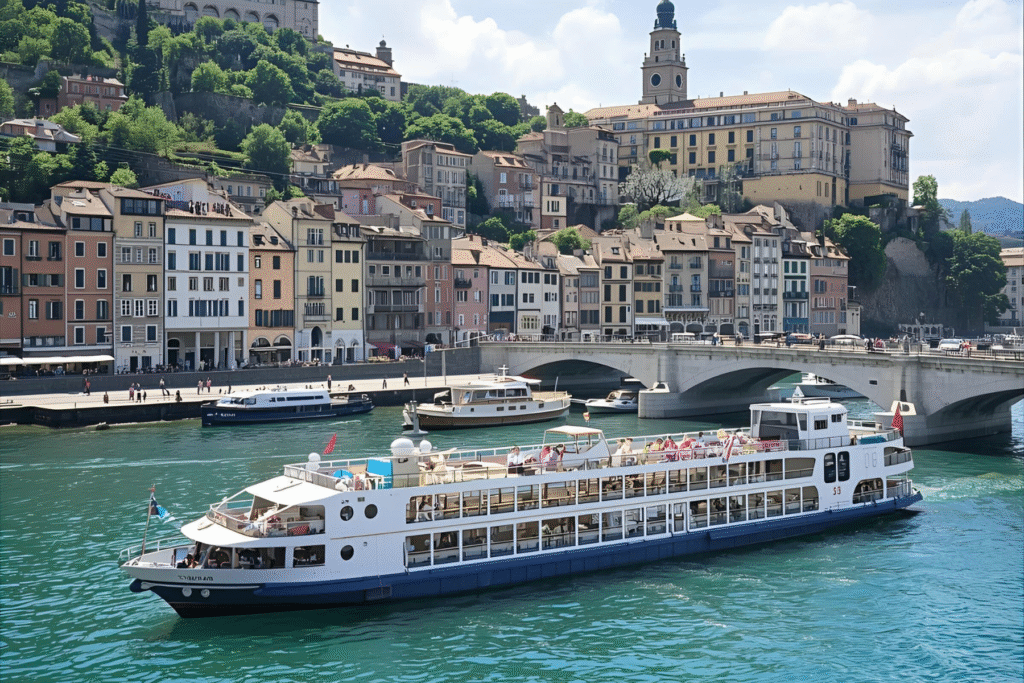
AmaMagna
“What’s the best time to travel for my specific needs?” “Best time” means something different for everyone!
Less Crowds & Lower Costs: If avoiding a busy ship and saving money is your priority, we’ll look at the “shoulder seasons.” This is the time just before or after peak travel, like late spring or early fall for many destinations. The weather is still great, but the prices and crowds are significantly smaller.
Best Weather: If perfect weather is non-negotiable, we’ll target the peak season. For the Caribbean, that’s typically winter and early spring. For Alaska, it’s the heart of summer. Just be prepared for higher prices and more people.
“Is Travel Insurance really needed”?
This is a question I get all the time, and my answer is always the same: yes, absolutely! While it may seem like an added expense, travel insurance is one of the most important investments you can make for your peace of mind. A cruise is a significant financial commitment, and so much can happen before and during your trip. What if a family emergency prevents you from sailing? What if your flight to the port is canceled and you miss the ship? Or, what if you have a medical issue while at sea?
Standard health insurance often has limited coverage outside the country, and medical evacuation from a ship can cost tens of thousands of dollars. Having a comprehensive travel insurance policy protects your vacation investment from unexpected cancellations, covers potential medical emergencies, and provides support for travel delays and lost luggage. It’s the safety net that allows you to fully relax and enjoy your time away, knowing you’re covered no matter what.
“My Credit Card Has Travel Insurance. Isn’t That Enough?” Or, “Should I Buy the Cruise Line’s Insurance?”
These are two of the most common questions I hear, and they’re incredibly important to address! While it might seem convenient or even a good deal to rely on your credit card’s travel benefits or the insurance offered directly by the cruise line, my strong recommendation, based on my own experience, is to opt for a comprehensive third-party travel insurance plan like those offered by companies such as Allianz.
Here’s why a third-party policy generally offers superior protection for your cruise vacation:
Comprehensive Coverage Beyond the Cruise Fare: Cruise line insurance typically only covers what you booked directly through the cruise line – that means your actual cabin fare. It rarely, if ever, covers flights you booked separately, pre- or post-cruise hotel stays, or those incredible independent shore excursions you might have arranged. A third-party plan, however, can cover all your non-refundable trip costs, from airfare and hotels to tours and transfers, providing a safety net for your entire vacation investment.
Pre-Existing Medical Conditions: This is a huge differentiator. Reputable third-party insurers, like Allianz with their Journey plan, often offers a pre-existing medical conditions if you purchase the policy within a specific timeframe (usually 10-21 days) of your initial trip deposit and insure the full non-refundable cost of your trip. Cruise line policies, on the other hand, frequently have strict exclusions for pre-existing conditions, leaving you vulnerable if a health issue flares up before or during your cruise.
Higher Medical & Evacuation Limits: Medical emergencies at sea can be incredibly expensive. The ship’s infirmary isn’t cheap, and if you need to be medically evacuated from the ship (think a helicopter airlift in a serious emergency), the costs can soar into the tens or even hundreds of thousands of dollars. Third-party plans typically offer much higher limits for emergency medical expenses and, critically, emergency medical evacuation compared to the often lower caps on cruise line policies. Your regular health insurance likely won’t cover you internationally or on a ship.
Cash Reimbursement vs. Cruise Credit: If you have to cancel for a covered reason with a third-party policy, you generally get a cash reimbursement. Many cruise line plans, however, may only offer future cruise credits, which might not be ideal if your travel plans change drastically or you simply prefer your money back.
“Cancel for Any Reason” (CFAR) Option: While it’s an optional add-on and costs more, some third-party plans offer “Cancel for Any Reason” coverage. This means you can cancel your trip for any reason not typically covered by a standard policy (like a sudden fear of travel or a change of heart) and still get a percentage (usually 50-75%) of your non-refundable costs back. This level of flexibility is rarely, if ever, available with cruise line-offered insurance.
While it’s tempting to just click “add insurance” when booking with your cruise line, I always advise my clients to invest a little more time researching a dedicated third-party plan. The broader, more robust coverage they provide offers far greater peace of mind and financial protection for your entire cruise adventure.
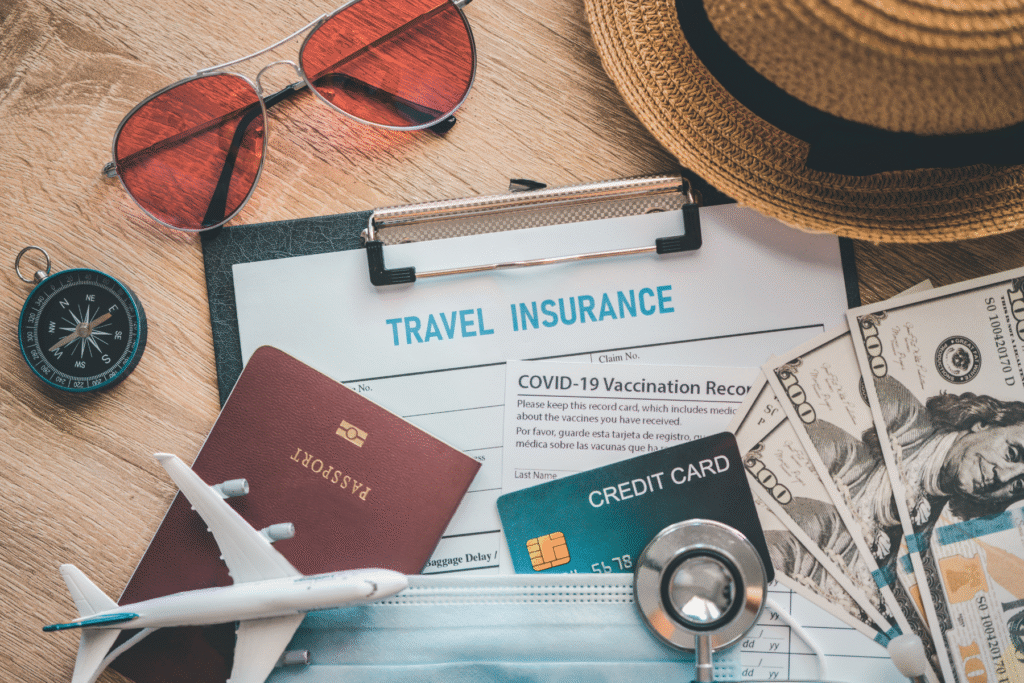
“What is included in the fare, and what are the hidden costs I should budget for?” Cruise fares can vary wildly in what they include. Let’s look at things like:
Drinks: Is a basic drink package included, or will you be paying for every soda, coffee, mocktail and cocktail?
Gratuities: Are gratuities automatically added to your bill, or are they included in the fare?
Onboard Activities: Are some specialty attractions or dining options an extra cost? Knowing this upfront helps you avoid surprise charges at the end of your trip.
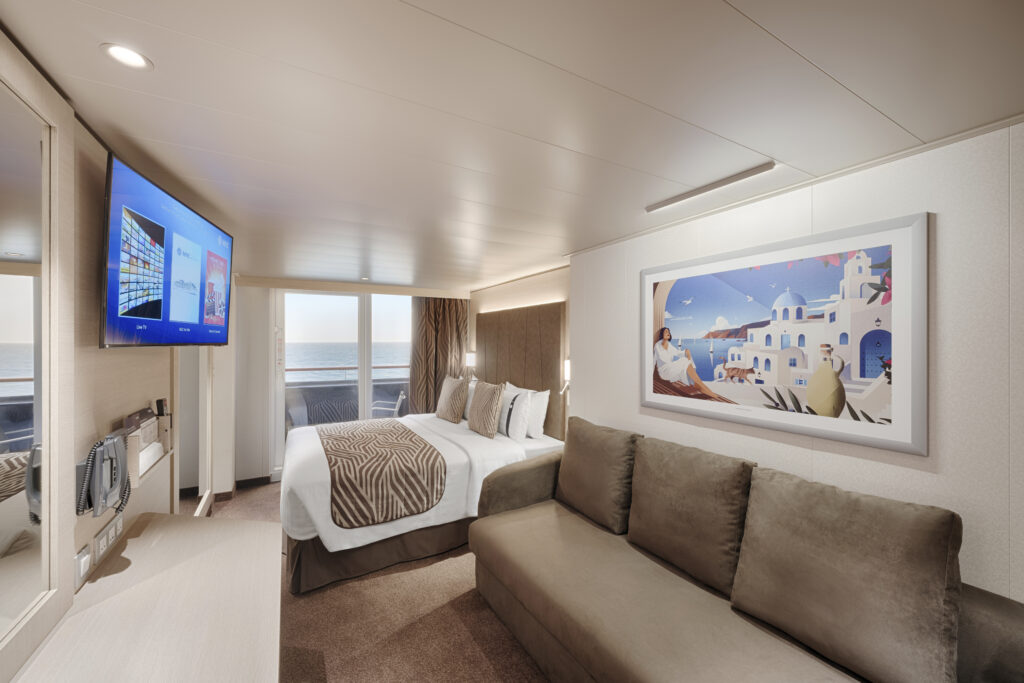
“What’s the best cabin type for me?” A lot of first-time cruisers book a cheap interior cabin to save money, only to wish they had a window, balcony or even suite. Let’s discuss your priorities. Do you want a view of the ocean every morning? Are you prone to seasickness and want to be on a lower deck? Do you need the space of a suite? We’ll find the perfect “home away from home” for your trip.
Other Insider Knowledge You’ll Be Glad to Have
Beyond the questions you ask your advisor, here are a few more pro tips to make your first cruise a breeze:
Arrive a day early. This is my #1 piece of advice! Travel delays happen. By flying into your departure city the day before your cruise, you completely eliminate the risk of missing the ship. Plus, it gives you a chance to explore a new city before you even set sail.
Your luggage may arrive late on embarkation day. Pack a carry-on with a change of clothes, your swimsuit, medication, and any essential documents. This way, you can start enjoying the ship the moment you get on board, instead of waiting for your suitcase.
Don’t rely on your phone for the time. Your cell phone can automatically switch to local time zones in port. The ship’s time is the only time that matters for making it back before “all aboard.” Wear a watch or rely on the clock in your cabin to stay on schedule.
Book your shore excursions early! As I’ve said before, the most popular tours fill up fast. Booking in advance—whether through the cruise line or a reputable third-party provider—secures your spot and gives you peace of mind.